

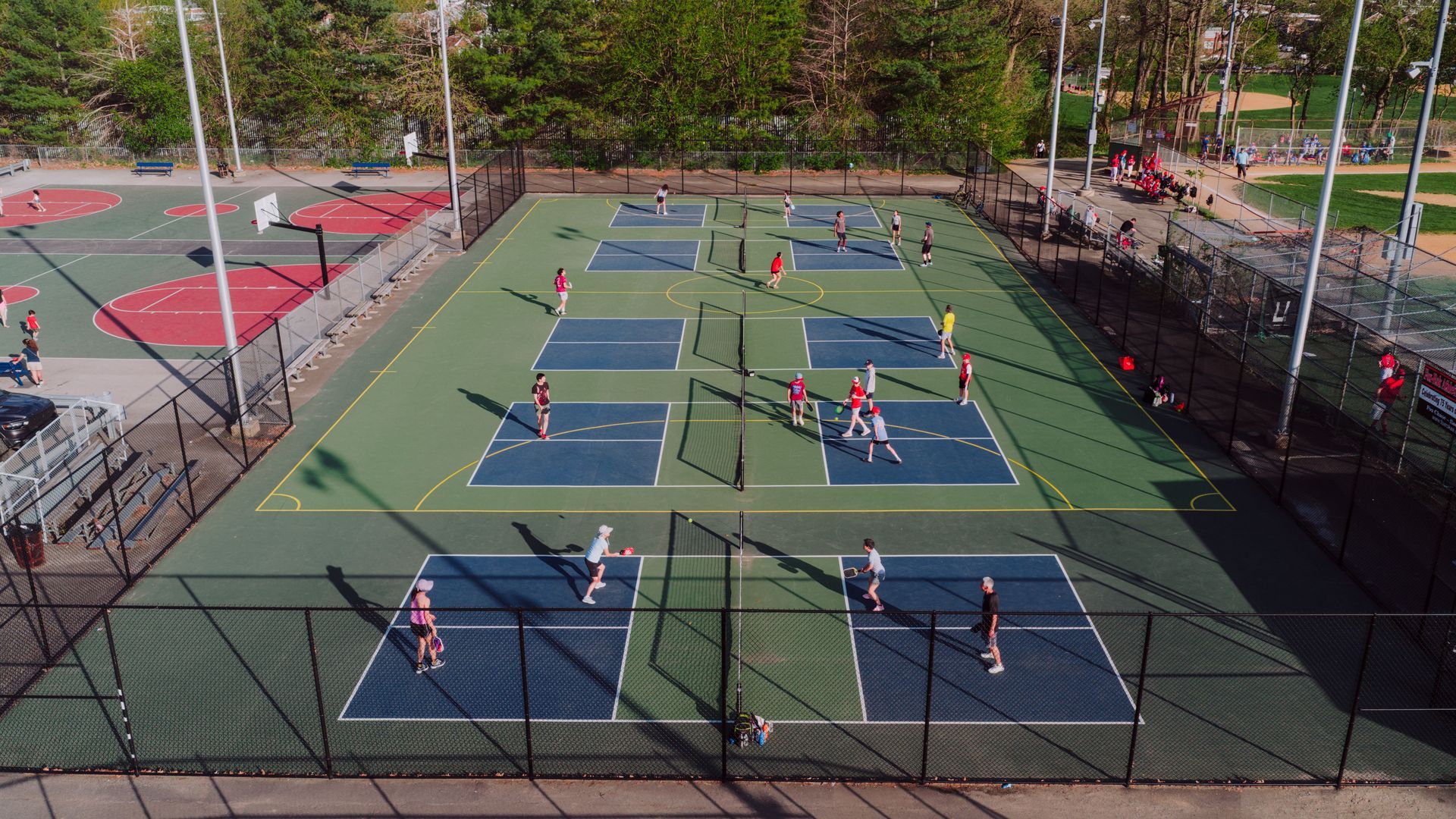
Walk past any court in the Coachella Valley on a January morning and you'll find them full. Pickleball has become the unofficial sport of the desert, and for good reason - it's social, it's fast to learn, and it gets people moving. But here's what we see over and over: players who love the game get sidelined by a strained shoulder, a tweaked lower back, or a fall reaching for a dink they had no business reaching for. The court isn't the problem. The problem is that most players do all their training on the court, and the court doesn't build the qualities the court demands. If you want to still be playing at 80, you need to train off the court. What Pickleball Actually Asks of Your Body Pickleball looks gentle. It isn't. In a single rally you'll perform: Rapid lateral direction changes - the single most common source of ankle and knee injuries in the sport Repeated overhead reaching - the shoulder does a lot of work with very little warning Deep, fast forward lunges to the kitchen line Constant rotation through the trunk and hips Split-second reaction and deceleration - stopping is harder on the body than starting Most of us spent our working lives moving forward and backward in straight lines. Pickleball asks for sideways, rotational, and reactive movement - patterns that fade fastest with age if they're not trained deliberately. The Four Qualities to Build 1. Lateral Strength and Ankle Stability Side-to-side movement is where players get hurt. Your hips and ankles need to be able to produce and absorb force in the frontal plane. Do this: Lateral band walks - 2 sets of 12 steps each direction Side-lying hip abduction (clamshells) - 2 sets of 15 Single-leg balance, eyes open then closed - 3 sets of 20 seconds per leg Lateral step-downs from a low step - 2 sets of 8 per leg Balance work is not optional. Fall prevention is the highest-value thing a player over 60 can train, and it transfers directly to court confidence. 2. Rotational Power Through the Trunk Your serve, drive, and put-away all come from trunk rotation. If the rotation comes from your lumbar spine instead of your hips and thoracic spine, your back pays for it. Do this: Half-kneeling cable or band rotations - 2 sets of 10 per side, controlled Thoracic spine rotations on all fours (open book) - 2 sets of 8 per side Pallof press (anti-rotation) - 2 sets of 10 per side, 5-second holds Train the ability to resist rotation as much as the ability to produce it. That's what protects the spine. 3. Shoulder Health and Overhead Capacity The overhead smash and defensive lob are shoulder-intensive, and most adults arrive at the sport with limited overhead range and weak posterior shoulder muscles from decades of desk and driving posture. Do this: Band external rotations - 2 sets of 15 per arm Face pulls - 2 sets of 12 Wall slides for overhead mobility - 2 sets of 10 Scapular retractions - 2 sets of 12 4. Lower Body Strength and Deceleration Getting to the kitchen line fast is useful. Stopping there without your knee complaining is more useful. Do this: Goblet squats - 2 sets of 10 Split squats or reverse lunges - 2 sets of 8 per leg Romanian deadlifts (hinge pattern) - 2 sets of 10 Step-ups - 2 sets of 10 per leg Two strength sessions a week is enough to make a real difference. This isn't bodybuilding - it's insurance. A Warm-Up That Actually Prepares You Most players arrive, stretch their calves for eleven seconds, and start hitting. That is not a warm-up. Before you play, spend eight minutes on: 1. Two minutes of walking - around the court, briskly 2. Leg swings - forward/back and side to side, 10 each direction per leg 3. Arm circles and band pull-aparts - 15 each 4. Bodyweight squats - 10, slow 5. Lateral shuffles - 20 yards each direction, building speed 6. Trunk rotations - 10 per side, paddle in hand 7. Three or four easy dinks and volleys before you play a real point Save your static stretching for after you play, when the tissue is warm. Desert-Specific Considerations Playing in the Coachella Valley adds variables that indoor-sport advice ignores: Heat. From May through October, morning play before 8 a.m. or evening play after 6 p.m. is the sensible window. Heat illness risk rises sharply with age, and many common medications - blood pressure medications and diuretics in particular - affect how you regulate temperature. Talk to your physician about how your prescriptions interact with heat and exertion. Hydration. Our dry air evaporates sweat so quickly you may not realize how much you're losing. Thirst is a poor guide after 60. Drink on a schedule, not on sensation. Surface. Hard courts in full sun get hot and unforgiving. Court shoes with lateral support matter more here than running shoes - running shoes are built for forward motion and will roll on a hard side-step. Play Less, Train More The most common mistake we see: someone falls in love with pickleball, plays five days a week, does nothing else, and is injured within four months. A better weekly rhythm: 3 days of pickleball 2 days of strength training 1 day of easy walking, swimming, or cycling 1 day off You'll play better on three days of pickleball plus strength work than you will on five days of pickleball alone. Recovery is where adaptation happens, and recovery capacity is the thing that changes most with age. When to See Someone Get evaluated if you're dealing with: Shoulder pain that lingers more than a few days after play Any knee that swells after a session Low back pain that shows up during or after rotation Recurring loss of balance, on or off the court Numbness or tingling in a hand or foot Pain that keeps returning is information, not something to play through. The Bottom Line Pickleball is one of the best things happening for active aging in this valley, social, aerobic, cognitively demanding, and genuinely fun. The players who are still on the court a decade from now will be the ones who spent two days a week building the strength, balance, and mobility the sport quietly requires. Train for the game, and the game gives back. Senior Fitness Palm Springs provides specialized personal training in the Palm Springs and Coachella Valley area. If you'd like a program built around your court schedule, your history, and your goals, get in touch at info@seniorfitnessps.com . This article is for general educational purposes and is not medical advice. Consult your physician before beginning a new exercise program, particularly if you have cardiovascular conditions, joint replacements, or take medications affecting heart rate, blood pressure, or fluid balance.
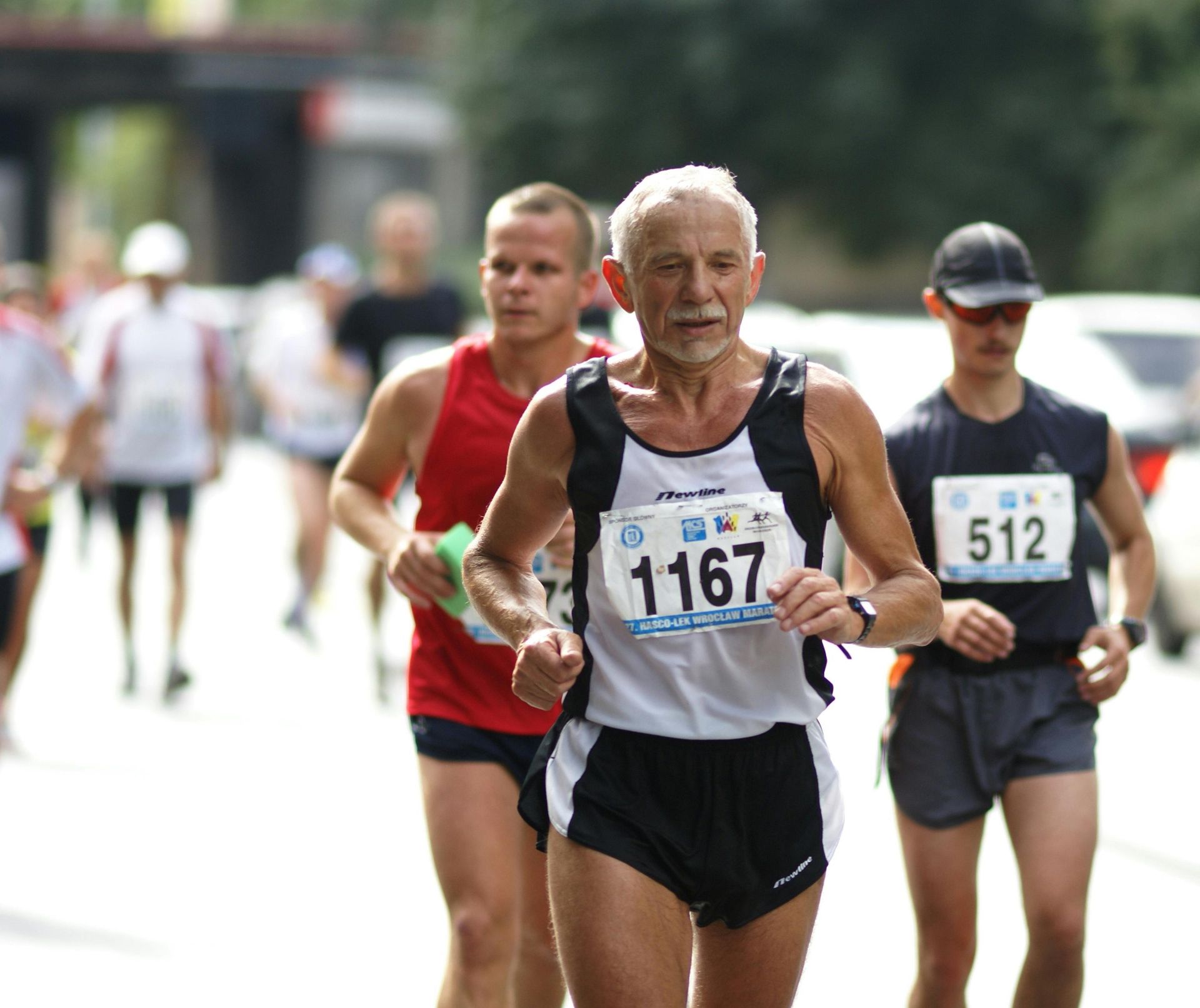
Jogging isn’t just for athletes—it can be an incredibly effective and empowering activity for seniors, especially here in Palm Springs, where outdoor fitness is part of the lifestyle. While many older adults assume jogging is “too hard” or rough on the joints, the truth is that light jogging, done safely and progressively, can improve heart health, balance, confidence, and overall quality of life . At Senior Fitness Palm Springs , I design personalized programs for seniors that build strength, stability, and endurance—so activities like jogging become safer and more enjoyable. If you’re curious about adding jogging into your routine, here’s what you need to know. Why Jogging Can Be Great for Seniors 1. Excellent Heart Health Benefits Jogging is one of the most effective forms of cardiovascular exercise. It helps: Lower blood pressure Improve circulation Strengthen the heart Boost stamina Even a slow jog provides meaningful cardiovascular improvements. 2. Joint-Friendly When Done Correctly Jogging is often misunderstood as “hard on the knees,” but light-impact jogging on soft surfaces can actually: Strengthen muscles around the joints Improve bone density Enhance overall mobility The key is progressing gradually and using proper form—something we focus on in every Senior Fitness Palm Springs session. 3. Supports Weight Management & Metabolism As we age, metabolism slows. Jogging gives a natural boost that helps with weight control and blood sugar management. 4. Mental Health & Mood Even short jogging sessions release endorphins, improve mental clarity, and help reduce stress, anxiety, and depression. 5. Increased Confidence & Independence Jogging—even short intervals—builds a sense of accomplishment that carries over into daily life. Safety First: Tips for Seniors Beginning a Jogging Routine Before adding jogging to your routine, keep these guidelines in mind: ✔ Talk to Your Doctor First If you have heart conditions, joint concerns, balance issues, or other medical considerations, review your plan with your physician. ✔ Warm Up Properly A 5-minute warm-up walking at a comfortable pace prepares your muscles and joints. ✔ Choose the Right Surface Better options: Track Soft park pathways Treadmill with cushioning Avoid: Uneven trails Hard concrete when possible ✔ Footwear Matters Good shoes = better cushioning, less pain, and reduced injury risk. ✔ Pace Yourself Jogging for seniors should feel challenging but manageable—not exhausting. ✔ Use Interval Training Alternating walking and jogging is the safest way to build endurance. Beginner Jogging Program for Seniors (4 Weeks) Ideal for adults who currently walk regularly but are new to jogging. Frequency: 3 days per week (non-consecutive days) Example: Monday – Wednesday – Saturday Week 1 – Gentle Introduction Warm-up: 5 minutes brisk walking Intervals: 20 seconds of jogging 1 minute 40 seconds walking Repeat 6 times (12 minutes total) Cool down: 3–5 minutes easy walking Goal: Feel comfortable with the rhythm of jogging and walking. Week 2 – Slight Progression Warm-up: 5 minutes Intervals: 30 seconds of jogging 1 minute 30 seconds walking Repeat 8 times (16 minutes total) Cool down: 3–5 minutes Goal: Build confidence and endurance. Week 3 – Building Stamina Warm-up: 5 minutes Intervals: 45 seconds of jogging 1 minute 15 seconds walking Repeat 8 times Cool down: 3–5 minutes Goal: Strengthen the cardio system and prepare for longer jogs. Week 4 – Light Jogging Blocks Warm-up: 5 minutes Intervals: 1 minute of jogging 1 minute walking Repeat 10 times (20 minutes total) Cool down: 5 minutes Goal: Maintain good form and steady breathing. This level is safe and sustainable for many seniors long term. When to Stop Jogging Stop immediately if you experience: Chest pain Dizziness Sharp joint pain Shortness of breath beyond normal exertion Safety always comes first. Want Help Getting Started? If you're a senior in Palm Springs and want a safe, customized jogging or walking-plus-strength program, I can help. As a certified personal trainer specializing in senior fitness, I build programs around your abilities, joint health, and goals—right in your home. Call or text: 760-884-8840 Senior Fitness Palm Springs – Personalized In-Home Senior Personal Training

As we age, balance becomes one of the most important — and often overlooked — aspects of fitness. Poor balance increases the risk of falls, which are a leading cause of injury among older adults. The good news? With the right exercises and habits, you can significantly improve your balance, build confidence, and maintain independence well into your golden years. At Senior Fitness Palm Springs , we design safe, effective balance programs for seniors who want to feel strong, steady, and in control of their movements. Why Balance Training Matters Reduces Fall Risk: Falls are the number one cause of injury-related hospital visits for older adults. Better balance = fewer accidents. Keeps You Independent: Daily activities like climbing stairs, bending to pick something up, or walking on uneven surfaces all rely on good balance. Strengthens Core and Legs: Balance exercises naturally improve strength in your core, hips, and legs — muscles essential for stability. Boosts Confidence: Feeling steady on your feet helps reduce fear of falling, which can otherwise limit your lifestyle. Exercises to Improve Balance 1. Heel-to-Toe Walk Stand tall and place one foot directly in front of the other, heel touching the toe. Walk slowly in a straight line for 10–15 steps. Benefits: Strengthens legs and trains your body to stabilize in narrow positions. 2. Sit-to-Stand From a chair, stand up without using your arms if possible. Sit back down slowly. Repeat 8–10 times. Benefits: Builds leg strength and functional stability for daily life. 3. Single-Leg Stands Hold onto a sturdy chair or countertop and lift one foot off the ground. Hold for 10–20 seconds, then switch legs. Benefits: Improves ankle, knee, and hip stability. 4. Heel Raises Stand behind a chair, holding on for support. Rise up onto your toes, hold briefly, then lower back down. Repeat 10–15 times. Benefits: Strengthens calves and improves balance during walking. 5. Marching in Place Lift your knees high one at a time as if marching, while standing tall. Do for 1–2 minutes. Benefits: Improves coordination and dynamic balance. Tips Beyond Exercise Check Your Environment: Remove tripping hazards like loose rugs, cords, or clutter. Wear Supportive Shoes: Non-slip, well-fitting shoes make a big difference. Train Your Vision: Regular eye exams are important — balance relies on good eyesight. Build Core Strength: A strong core stabilizes your spine and improves posture, directly helping balance. Practice Daily: Short, consistent sessions are more effective than occasional long workouts. Contact Us Improving balance is about more than exercise — it’s about building a safer, more confident lifestyle. Whether you want to feel steadier walking around your home, enjoy outings without fear of falling, or simply keep up with grandchildren, balance training can make it possible. At Senior Fitness Palm Springs , we bring expert in-home personal training to help seniors strengthen balance safely. With the right guidance, you can stay independent, steady, and strong. 📞 Call 760-884-8840 today to schedule your free consultation and take the first step toward better balance!
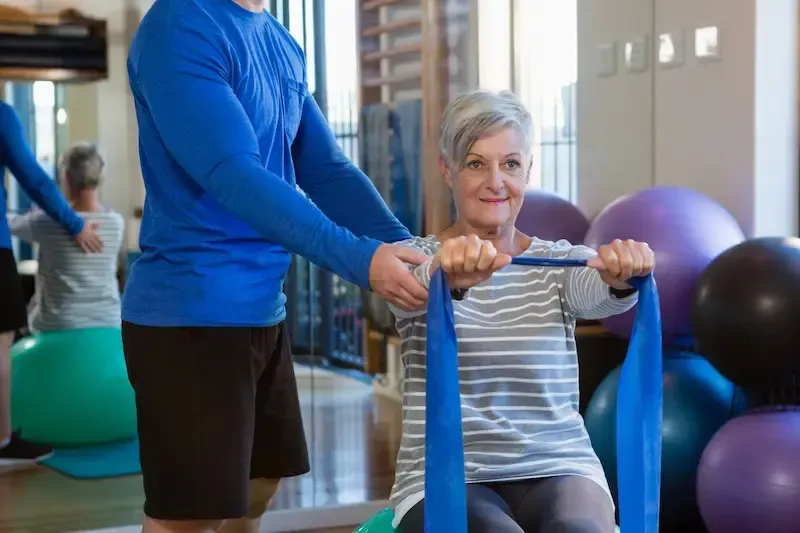
Staying fit as you age takes more than good intentions. It takes a plan — and the right kind of support. A personal trainer who specializes in senior fitness understands the physical changes, medical challenges, and lifestyle goals unique to older adults. Here’s why partnering with a specialist can make a real difference: 1. Customized Workouts for Your Body and Health History No two seniors are the same. Some are recovering from surgery, others manage arthritis or osteoporosis, and many have mobility limitations or chronic conditions. A senior fitness specialist takes all of this into account and designs a program tailored to your body, goals, and pace so that you can move forward safely, not generically. 2. Fall Prevention Through Balance and Stability Training Falls are a leading cause of serious injury in older adults, and they’re often preventable. A good trainer incorporates balance exercises, core strengthening, and reaction drills that reduce your fall risk and improve your ability to recover quickly if you stumble. Better balance means greater confidence in performing everyday tasks, such as walking, dressing, or even getting out of a chair. 3. Build Strength Without Risking Injury Many older adults stop strength training out of fear, but with the right guidance, it’s one of the best things you can do to stay strong, protect your bones, and support your joints. A senior fitness trainer will select the safest movements and resistance tools (like bands, light weights, or bodyweight), ensuring you're building muscle in ways that are gentle but effective. 4. Adapted Training for Medical Conditions Whether you're living with heart disease, diabetes, joint replacements, COPD, or high blood pressure, exercise must be approached with care. A qualified trainer knows how to modify intensity, monitor symptoms, and choose exercises that help rather than harm, giving you the confidence to train without triggering a setback. 5. Improved Flexibility and Joint Mobility Stiffness is not just a normal part of aging — it’s often the result of underuse. Regular mobility and flexibility work can restore movement in key areas like the hips, shoulders, spine, and ankles. A trainer guides you through safe, consistent stretches and movement patterns to reduce pain, increase range of motion, and help you feel more agile. 6. Accountability That Keeps You Consistent Motivation comes and goes, but when you know someone’s showing up for you, it’s easier to show up for yourself. Regular appointments with a personal trainer build structure into your week and help you stay consistent. And that consistency is what delivers real, lasting change. 7. Professional Supervision for Safer Exercise Many injuries happen when people push too hard, use poor form, or skip warmups. A personal trainer keeps a close eye on your movement, ensures proper alignment, and adjusts exercises instantly if something doesn’t feel right. You get peace of mind knowing your safety is always the top priority. 8. Greater Confidence and Daily Independence Strength and balance directly affect your ability to live independently — whether that means carrying groceries, climbing stairs, or getting off the floor. As you get stronger, you’ll notice more control, more confidence, and less need for assistance with daily tasks. That translates into freedom and peace of mind. 9. Mental and Emotional Boost Regular movement doesn’t just benefit your body — it supports your brain. Exercise has been shown to improve mood, memory, sleep, and even reduce anxiety and depression. The connection and encouragement from a trainer can be just as powerful as the workout itself, especially if you’re feeling isolated or unmotivated. 10. In-Home Training That Fits Your Lifestyle No need to navigate crowded gyms, wait for machines, or drive across town. A senior fitness specialist comes to you with all the equipment needed. Sessions are done in the comfort and privacy of your own home, designed to fit your space, schedule, and comfort level. Hiring a personal trainer who specializes in senior fitness gives you the guidance, structure, and support you need to live fully and move with confidence. Ready to take the first step? Contact us now for a free consultation.
As we age, our bodies change in ways that can make weight management more challenging. Metabolism slows, muscle mass naturally decreases, and joint issues might limit mobility. Despite these challenges, maintaining a healthy weight is crucial for seniors to reduce the risk of chronic diseases, maintain independence, and enjoy a higher quality of life. Understanding Age-Related Weight Challenges Weight management for seniors requires a different approach than for younger adults. After 60, several factors influence your body's relationship with weight: Slower metabolism means fewer calories burned at rest Reduced muscle mass changes your body composition Hormonal changes affect how and where fat is stored Medications may influence weight as a side effect Joint pain or mobility issues might limit activity Effective Weight Loss Strategies for Seniors Focus on Nutrition Quality Rather than severe calorie restriction, seniors should prioritize nutrient-dense foods: Increase protein intake to preserve muscle mass (lean meats, fish, eggs, legumes) Choose high-fiber fruits, vegetables, and whole grains Stay hydrated with water rather than sugary drinks Limit processed foods, which often contain excess sodium and unhealthy fats Consider smaller, more frequent meals to maintain energy levels Appropriate Exercise Movement remains essential, but should be tailored to your abilities: Start with low-impact activities like walking, swimming, or chair exercises Include strength training 2-3 times weekly to preserve muscle mass Add flexibility and balance exercises to prevent falls Begin with short sessions and gradually increase duration Consider working with a trainer experienced in senior fitness Mindful Eating Practices Developing awareness around eating habits can make a significant difference: Eat without distractions to recognize fullness cues Slow down and enjoy each bite Use smaller plates to manage portions naturally Plan meals to avoid convenience foods Recognize emotional eating triggers Safety Considerations Weight loss for seniors should always prioritize health and safety: Consult your healthcare provider before starting any weight loss program Aim for gradual weight loss of 1-2 pounds per week Never eliminate entire food groups without medical guidance Monitor how weight loss affects existing health conditions Adjust medications as needed with doctor supervision Success Beyond the Scale For seniors, the benefits of maintaining a healthy weight extend far beyond appearance: Improved mobility and independence Better management of chronic conditions like diabetes and heart disease Reduced joint pain and improved arthritis symptoms Enhanced energy levels and mood Lower risk of falls and injuries Remember that healthy aging isn't about reaching an ideal weight but maintaining functionality, independence, and quality of life. Small, sustainable changes to diet and activity levels can significantly affect how you feel and function in your golden years.
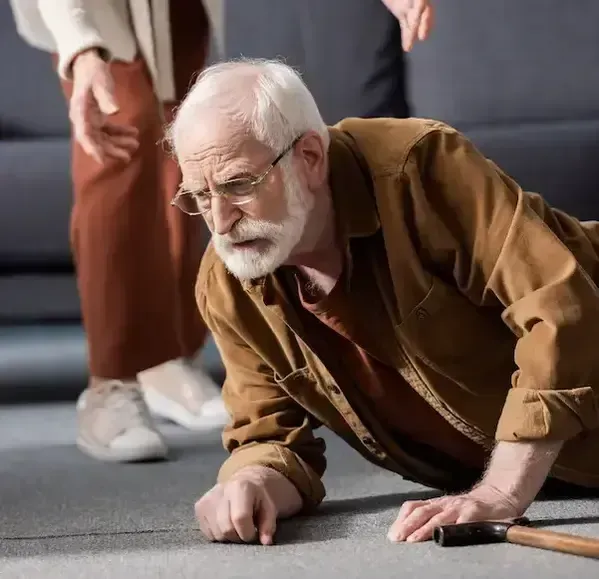
As we age, it’s common to experience decreased balance and mobility. Unfortunately, this can increase the risk of falling, and knowing what to do afterward is crucial for your safety and confidence. Getting up from the floor after a fall safely is a skill that can prevent additional injuries and provide peace of mind. However, there’s even greater value in reducing the chances of falling in the first place. This blog will outline key areas and how my personalized training services can help you or a loved one.
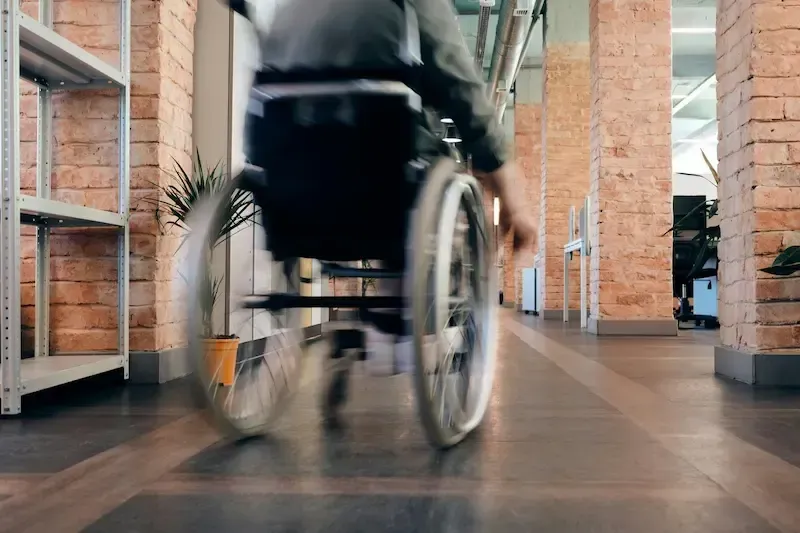
Mobility challenges can make staying active daunting for many seniors, but exercise is crucial for maintaining independence, preventing further decline, and enhancing quality of life.
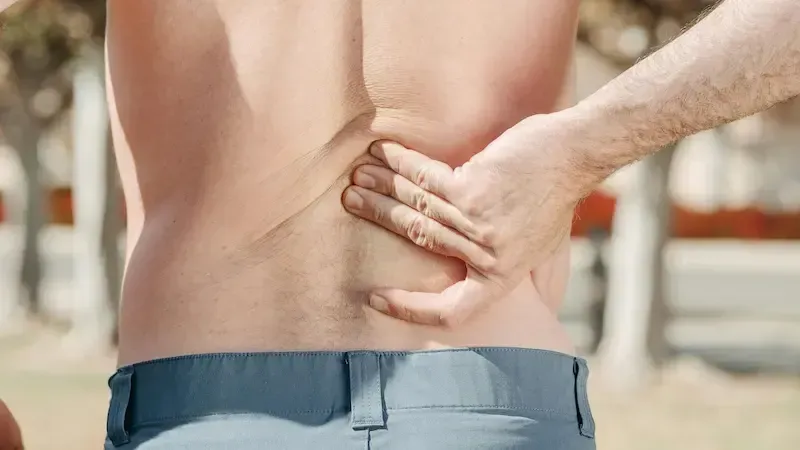
Back pain is a common issue among seniors, often resulting from age-related changes in the spine, arthritis, or muscle weakness. While back pain can make exercise seem daunting, regular physical activity is one of the most effective ways to manage pain, improve mobility, and enhance overall health. At Senior Fitness Palm Springs, we design customized workout programs to help seniors safely and effectively alleviate back pain and regain strength.
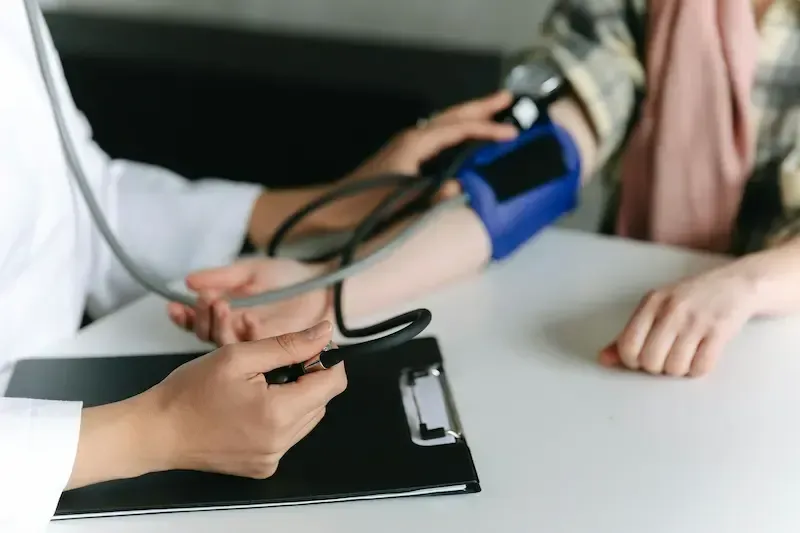
High blood pressure, or hypertension, is a common condition among seniors that can lead to serious health problems like heart disease and stroke. However, regular exercise is one of the most effective ways to manage blood pressure naturally. With the guidance of a personal trainer, you can create a customized fitness plan that addresses your specific needs, helping you stay active and healthy. At Senior Fitness Palm Springs, we specialize in designing safe and effective exercise programs to help seniors manage high blood pressure and improve their overall health.
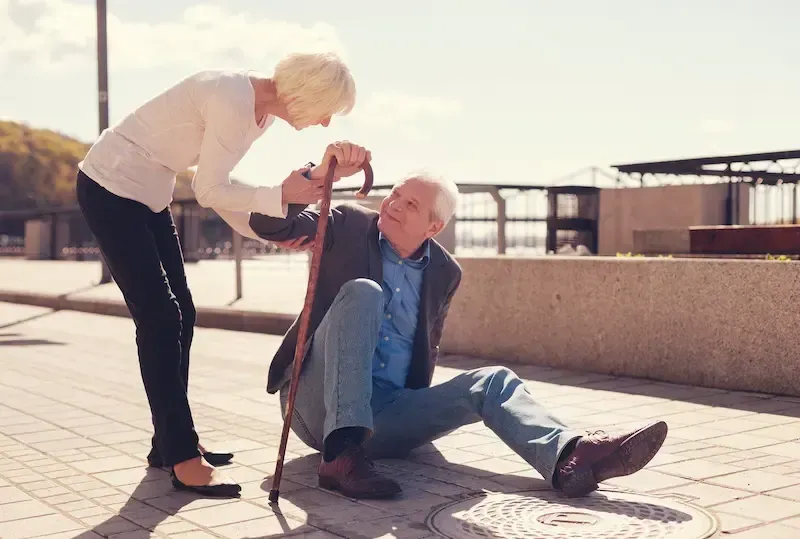
Falls are a leading cause of injury among seniors, but regular exercise can help improve balance, strengthen muscles, and enhance coordination, all of which contribute to reducing the risk of falls. At Senior Fitness Palm Springs, we focus on safe and effective exercises designed to improve balance and stability, helping seniors maintain independence and confidence in their daily activities.

Recovering from surgery can be challenging, especially for seniors. Regaining strength and flexibility is essential for a successful recovery and a return to daily activities. At Senior Fitness Palm Springs, we specialize in personalized post-surgery fitness plans that focus on safe, gradual rebuilding of strength and flexibility, helping seniors recover faster and regain their independence.
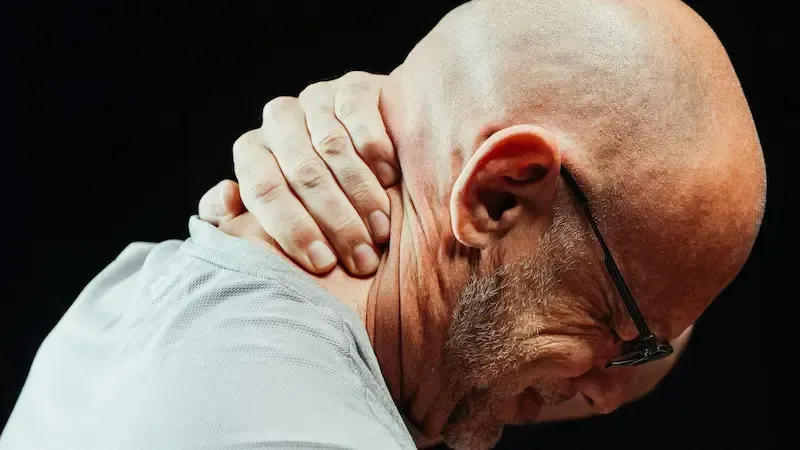
Living with chronic pain can make daily activities challenging, but staying active is one of the most effective ways to manage pain and improve overall health. Regular exercise can help reduce pain, increase mobility, and enhance quality of life for seniors. At Senior Fitness Palm Springs, we specialize in creating personalized exercise programs that focus on safely managing chronic pain while improving strength, flexibility, and endurance.